Loading...
Serving Murrieta, CA and surrounding areas. (951) 574-0182
Serving Murrieta, CA and surrounding areas. (951) 574-0182
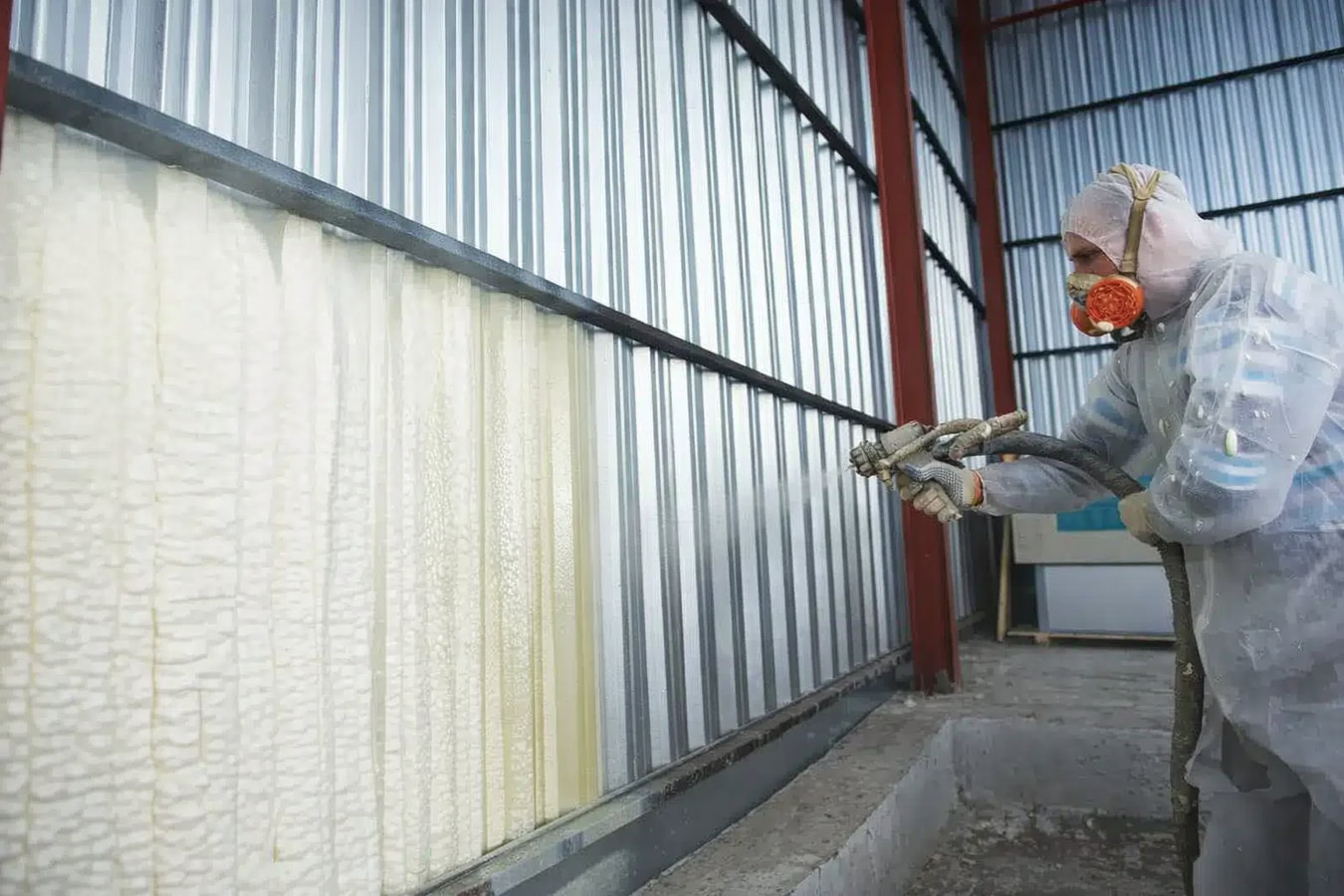
Murrieta Insulation is a local insulation contractor serving Moreno Valley, CA with attic insulation, spray foam, commercial insulation, and air sealing for the city's residential and commercial properties. Moreno Valley sees over 35 days per year above 100 degrees Fahrenheit, and most homes here were built between 1980 and 2005 with insulation that is now well below current performance standards. We have served the Inland Empire since 2022, we reply within one business day, and every job starts with a free on-site estimate.
Moreno Valley has a growing base of warehouses, distribution facilities, light industrial spaces, and retail buildings, many of which were constructed in the 1990s and 2000s to the minimum insulation standards of that era. Our commercial insulation service upgrades these buildings to current Title 24 standards for Climate Zone 10, where the combination of intense summer heat and significant warehouse roof area makes ceiling insulation the highest-return improvement a commercial property owner can make. We handle permit coordination with the City of Moreno Valley Building and Safety Division as part of every commercial project.
Moreno Valley's single-family tract homes from the 1980s and 1990s were built with insulation that met the minimum code of that period, typically R-19 to R-30. Today's recommended range for this climate zone is R-38 to R-60, and the gap between those two numbers is felt directly on summer energy bills when temperatures exceed 100 degrees for weeks at a stretch. Bringing attic insulation up to current standards is the single most effective upgrade most Moreno Valley homeowners can make for year-round comfort.
The clay-heavy soils common throughout Moreno Valley expand and contract with seasonal moisture changes, and that ground movement gradually opens gaps in the building envelope around pipes, wiring, and structural framing. Spray foam insulates and seals those gaps simultaneously, which makes it the right material for homes where conventional batts would leave the air infiltration problem unsolved. Closed-cell foam also resists moisture, which matters for floor cavities and crawl spaces in areas with expansive soil conditions.
Santa Ana wind events, which are a seasonal reality in Moreno Valley typically from October through February, push hot, dry air through any gap in a home's envelope. Sealing those openings around recessed lights, plumbing stacks, attic hatches, and HVAC penetrations before new insulation goes in addresses both air infiltration and the dust and smoke that these winds carry. Air sealing done first also allows new insulation to perform at its rated R-value from day one.
Older homes in western Moreno Valley, particularly those near the March Air Reserve Base area built in the 1980s, sometimes have raised foundations with crawl spaces that were insulated minimally or not at all. Expansive soil conditions in this part of the Inland Empire mean these crawl spaces can experience moisture intrusion during wet winters, which degrades floor insulation and can affect floor framing over time. We install crawl space insulation alongside vapor barriers to address both the thermal and moisture issues together.
Most Moreno Valley homes are occupied, and wall insulation is not something most homeowners want to gut their drywall to install. Retrofit insulation adds material to existing wall cavities through small drilled holes that are patched and finished on the surface. For homes on the south- or west-facing sides that get afternoon sun through stucco walls with minimal R-value, retrofit insulation is often the most practical way to address rooms that never stay comfortable during Moreno Valley summers.
Moreno Valley is one of the largest cities in Riverside County, with a population of around 210,000 people and a housing stock built almost entirely during the city's rapid growth from the early 1980s through the mid-2000s. That means most homes are between 20 and 45 years old, which is exactly the range where original attic insulation, roofing underlayment, and crawl space materials from that era are commonly at or near the end of their useful life. The city sits at roughly 1,600 feet elevation in a valley surrounded by mountains, which creates a climate that is hotter than coastal Southern California in summer and cooler at night, putting more thermal stress on building envelopes than homeowners often expect.
The expansive clay soils that underlie much of the Inland Empire are a persistent factor in Moreno Valley. These soils swell when saturated during wet winters and shrink during dry summers, and that constant movement stresses foundation slabs, cracks concrete flatwork, and gradually opens gaps in the building envelope around floor framing and wall penetrations. Conventional fiberglass batt insulation in those gaps loses its effectiveness as the batts shift and compress over successive seasons. Contractors who do not account for soil movement when selecting and installing insulation may be addressing the symptom rather than the underlying problem.
The commercial sector in Moreno Valley adds a dimension that most surrounding cities do not have at this scale. The city hosts a large and growing concentration of warehouses, distribution centers, and light industrial facilities, many of which carry high ceiling and roof areas that are expensive to heat and cool. California's Title 24 energy code sets specific insulation minimums for commercial buildings in Climate Zone 10, and many buildings constructed in the late 1990s through early 2000s were built to standards that have since been updated significantly. An insulation upgrade on a commercial building in Moreno Valley often pays for itself in energy savings within two to four years.
We pull permits for commercial projects directly through the City of Moreno Valley Building and Safety Division and are familiar with the documentation requirements for Title 24 compliance in this climate zone. For residential projects, we have worked on homes throughout the city's distinct neighborhoods, from the older streets in the Sunnymead corridor on the west side to newer two-story homes in the Rancho Belago area on the east side.
Moreno Valley's layout means job access conditions vary considerably by neighborhood. The flat grid streets of the older western neighborhoods near March Air Reserve Base are straightforward to work in. The newer subdivisions on the east side have larger lots, longer driveways, and homes with bigger attic footprints, which affects job scope and scheduling. Knowing the difference saves time on both the estimate visit and the installation day.
We serve homeowners and businesses throughout the surrounding region as well. Our crew works regularly in Riverside to the west and in Perris to the south, two adjacent cities with similar housing stock and climate conditions. If you have family or neighbors in either area who are looking for the same work, we can often coordinate back-to-back visits to reduce scheduling gaps.
Call or submit the contact form and we will respond within one business day. We will ask a few quick questions about your property, what you have noticed, and when to come out.
We come to your Moreno Valley property, inspect the attic, crawl space, or commercial space, and assess what is currently in place. The visit costs nothing and takes 30 to 60 minutes. You receive a written estimate that explains what will be done, what materials will be used, and the total cost before you commit to anything.
If your project requires a permit through the City of Moreno Valley, we handle the application and timeline. Most residential insulation additions do not require a permit, but we confirm this as part of every estimate so there are no surprises before the work starts.
Most residential jobs in Moreno Valley are complete in one day. For spray foam projects, plan to stay out of the home for approximately 24 hours after spraying. We walk you through the finished work before leaving so you can see the coverage and ask any questions.
We serve all of Moreno Valley, from older neighborhoods near the base to newer streets in Rancho Belago. Free on-site estimates, written quotes, replies within one business day.
(951) 574-0182Moreno Valley is one of the largest cities in Riverside County, with a population of approximately 210,000. It grew rapidly in the 1980s and 1990s as affordable housing drew families from Los Angeles and Orange County. The city sits in the San Gorgonio Pass area, surrounded by the San Bernardino Mountains to the north, at roughly 1,600 feet elevation. That position creates a climate with intense summer heat and cooler nights than coastal California, which puts more thermal demand on residential and commercial buildings throughout the year. You can read more about the city's history on its Wikipedia page.
The city has distinct areas with different housing characteristics. The older western side, near March Air Reserve Base, contains some of the earliest residential development, with smaller single-story homes on modest lots. The Sunnymead area along Alessandro Boulevard is one of the older commercial and residential corridors in the city. To the east, the Rancho Belago area has newer planned communities with larger two-story homes built in the 2000s and early 2010s. Major employers include a large Amazon fulfillment center, the growing World Logistics Center development, and the base itself, giving the city a significant working-family homeowner population. The Lake Perris State Recreation Area sits just south of the city and is one of the most visited outdoor destinations in the region.
Adjacent to Moreno Valley are Riverside to the west, which shares similar Inland Empire climate and housing conditions, and Perris to the south. Our crew serves all three cities regularly and is familiar with the permit offices and housing stock across the area.
Spray foam seals gaps and insulates in one step, providing an air-tight thermal barrier for walls, roofs, and more.
Learn moreProper attic insulation reduces heat gain in summer and heat loss in winter, lowering your energy bills year-round.
Learn moreBlown-in insulation fills irregular spaces and existing cavities quickly without the need for demolition.
Learn moreComprehensive home insulation covers every zone of your house to maximize comfort and energy efficiency.
Learn moreOld or damaged insulation is safely removed and disposed of, preparing your space for a fresh installation.
Learn moreInsulating your crawl space controls moisture, reduces energy loss, and protects your home's structural integrity.
Learn moreWall insulation improves thermal performance and reduces noise transfer between interior and exterior spaces.
Learn moreAir sealing closes gaps and cracks throughout your home that allow conditioned air to escape.
Learn moreBasement insulation prevents cold floors, reduces moisture infiltration, and makes your lower level more livable.
Learn moreClosed-cell spray foam offers the highest R-value per inch and acts as both insulation and a vapor retarder.
Learn moreOpen-cell spray foam is a cost-effective option that provides excellent sound dampening and fills large cavities.
Learn moreSealing the attic floor prevents conditioned air from escaping into unconditioned attic space.
Learn moreA crawl space vapor barrier blocks ground moisture from entering your home and prevents mold growth.
Learn moreVapor barrier installation protects walls, floors, and ceilings from damaging moisture and condensation.
Learn moreRetrofit insulation upgrades existing structures without major renovation, improving efficiency at a lower cost.
Learn moreCommercial insulation solutions for offices, warehouses, and industrial buildings to meet code and reduce operating costs.
Learn moreServing these cities and communities.
Call us or request a free estimate online. We serve all of Moreno Valley and reply within one business day.