Loading...
Serving Murrieta, CA and surrounding areas. (951) 574-0182
Serving Murrieta, CA and surrounding areas. (951) 574-0182
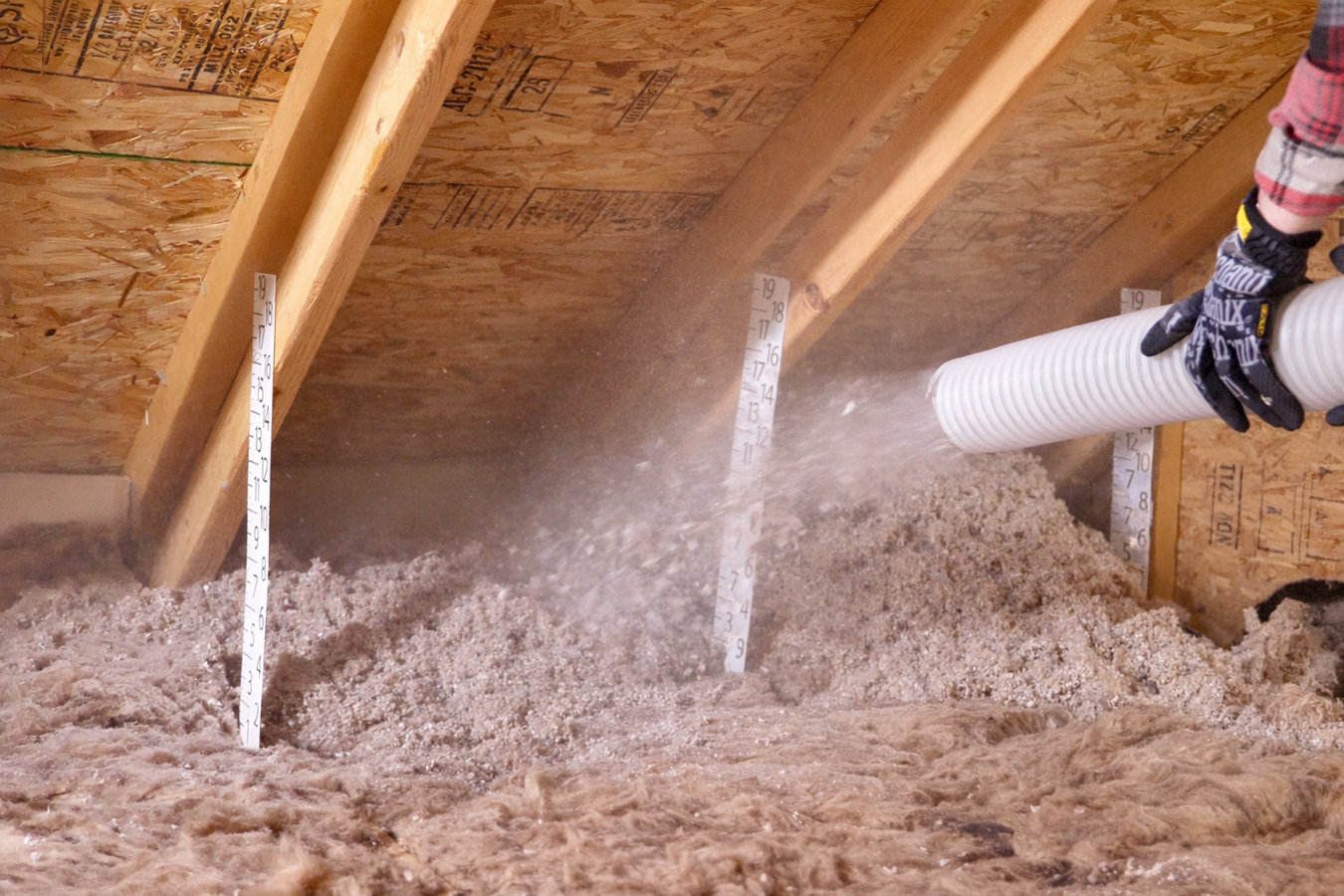
Loose-fill insulation fills every corner your attic has - around joists, near eaves, and over obstructions - so no gaps are left behind to let the heat through.
Blown-in insulation in Murrieta fills attics and wall cavities with fiberglass or cellulose - most attic jobs are completed in a single day and the material is effective immediately with no curing time. It is the most practical upgrade for a house that already has drywall in place, because nothing has to be torn open. Murrieta homeowners in 1990s and 2000s tract homes often find their original insulation is thinner than current standards recommend - and that gap is what drives high summer cooling bills.
If your attic already has some material but it is thin or uneven, blown-in is an ideal top-up. It also pairs naturally with attic insulation upgrades, where sealing gaps before blowing produces the best combined result.
If the second floor of your Murrieta home feels like a different climate in July and August, heat is building up in the attic and radiating through your ceiling. Under-insulated attics in inland valley homes can exceed 150 degrees on a hot afternoon. Waiting makes every summer more expensive and more uncomfortable.
When your system cycles all day without reaching the temperature you set, heat is entering faster than the unit can remove it. In Murrieta's climate, a thin attic is one of the most common reasons a properly sized AC still struggles. If your energy bills have climbed without any change in usage habits, this is worth investigating.
Peek into your attic with a flashlight. If you can see the wooden framing members poking above the material, you almost certainly do not have enough. Adequate insulation covers those joists completely. This is a quick check any homeowner can do without climbing in.
A large share of Murrieta's housing stock dates to the 1990s and early 2000s, when insulation standards were lower than they are today. If your home was built in that era and the insulation has never been evaluated, there is a reasonable chance it is underperforming by current guidelines.
We handle blown-in insulation for attic floors, wall cavities, and floors over unconditioned spaces. Most attic jobs start with air sealing - closing gaps around recessed lights, plumbing penetrations, and attic hatches - before any material goes in. Skipping that step and just adding more insulation is a shortcut that does not solve the underlying problem.
For homes where existing insulation is contaminated by moisture or pests, we handle removal before the new material is installed. That work connects naturally to our home insulation service, which covers the full assessment when multiple areas of the house need attention at once. Once the job is done, we leave depth markers in the attic so you can verify the installed depth yourself.
Cellulose and fiberglass are the two most common materials. Cellulose is made from recycled paper and is well-suited to tight spaces; fiberglass is lightweight and resistant to moisture. Your estimate will include a recommendation based on your specific attic conditions and climate zone.
Best for homes with existing attic access where the goal is adding depth to thin or uneven coverage.
Suited to older homes where walls were never insulated and opening the drywall is not practical.
The combined approach - sealing penetrations first, then blowing - produces the best energy savings.
Murrieta sits in the Temecula Valley, where summer temperatures regularly climb into the mid-to-upper 90s and occasionally top 105 degrees. That heat radiates through your roof into your attic all day, and without adequate insulation it pours straight into your living space well into the evening. The result is an air conditioner that cannot keep up, even if it was correctly sized when it was installed.
The city also experiences periodic wildfire smoke events during fall fire season. A well-insulated and air-sealed attic reduces the gaps that allow outdoor air - including smoke-laden air - to infiltrate your home. Homeowners in areas like Temecula and Menifee face the same conditions and have seen the same results after adding insulation.
Murrieta also falls in California Climate Zone 10, which sets higher insulation requirements than coastal areas because of the extreme temperature swings. If a contractor quotes a depth appropriate for San Diego, they may be under-insulating your Murrieta home. Make sure whoever you hire knows the local zone requirements - we do.
The U.S. Department of Energy recommends R-38 to R-60 for attics in Southern California's climate zones - roughly 10 to 16 inches of blown-in material depending on what you already have.
We respond within 1 business day. A brief call covers your home size, approximate build year, and what you have been experiencing. No cost, no commitment.
We measure the current insulation depth, check for air leaks and moisture, and give you a written quote that breaks down exactly what is included. Most assessments take 30 to 45 minutes.
We seal gaps around fixtures and penetrations first, then run the hose into your attic and blow material to the specified depth. Most jobs finish in three to five hours.
Before we leave, we verify depth at multiple points using standing markers you can check yourself. You receive written documentation of the material type and depth - what you need for utility rebate applications.
We respond within 1 business day. There is no obligation - just an honest assessment of what your attic has and what it needs. After you submit, someone from our office will call to schedule a free on-site estimate at a time that works for you.
(951) 574-0182We work throughout the Temecula Valley and surrounding communities, so we know the climate zone, the housing stock, and what local homeowners are dealing with. That context matters when setting insulation depth recommendations.
You should be able to verify the work yourself. We leave plastic depth stakes at multiple points in your attic after every job - no guessing, no trusting a bill. The North American Insulation Manufacturers Association recommends this practice for every installation.
Your estimate details the material type, target depth, and total cost. If something unexpected comes up during the job, we tell you before proceeding - not after. The final invoice matches what you agreed to.
California utility rebates and the federal tax credit can meaningfully reduce your project cost. We walk you through which programs apply to your home before you sign anything, so you are not leaving money on the table.
These are not claims we make on a flier - they are the things homeowners ask about most when they call. We built our process around answering those questions before you have to ask. The North American Insulation Manufacturers Association sets the industry standards for installation practices we follow on every job.
Full-home insulation assessment and installation covering attic, walls, and any area that is losing conditioned air.
Learn moreTargeted attic insulation upgrades using blown-in or batt material to reach the depth your climate zone requires.
Learn moreCall Murrieta Insulation today for a free estimate - every week of delay is another week of higher cooling bills in Murrieta's summer heat.