Loading...
Serving Murrieta, CA and surrounding areas. (951) 574-0182
Serving Murrieta, CA and surrounding areas. (951) 574-0182
Murrieta Insulation is a local insulation contractor serving Corona, CA with spray foam insulation, attic insulation, blown-in insulation, and air sealing for the city's owner-occupied single-family homes. Most homes in Corona were built between 1980 and 2005 - and at 20 to 40 years old, they are squarely in the range where original insulation, tile roof underlayment, and air sealing have degraded well below current standards. We have served Southwest Riverside County since 2022, we respond within one business day, and every job starts with a free on-site estimate.
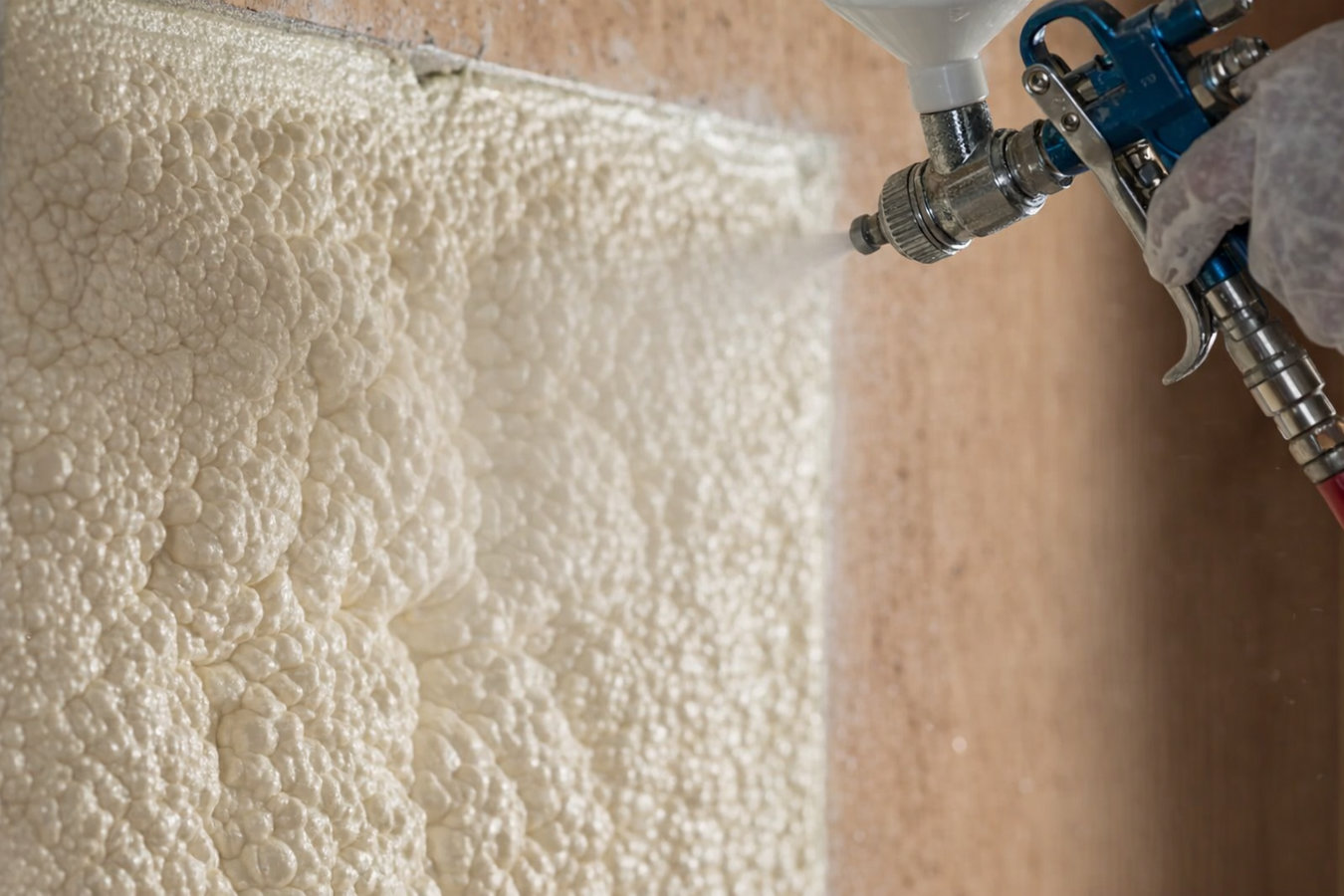
Corona sits right at the base of the Santa Ana Mountains, and many neighborhoods back up to hillside terrain where homes sit on sloped lots with irregular framing around the foundation and crawl space. Standard fiberglass batts cannot fill those gaps completely, which is why our spray foam insulation service is particularly well suited for Corona homes with hillside exposure. Closed-cell spray foam expands to fill irregular cavities, creates a continuous air barrier, and resists moisture - all three properties that matter for homes where terrain creates unconventional framing conditions and where Santa Ana winds can push outdoor air through any gap in the envelope.
The majority of Corona's single-family homes were built in the 1980s and 1990s with tile roofs and stucco exteriors, and the attic insulation installed during those decades now falls well short of the R-38 to R-60 range recommended for Climate Zone 10. With median home values around $600,000 in Corona, upgrading attic insulation is one of the most cost-effective ways homeowners can protect their investment and reduce the summer energy bills that come with a city that regularly hits triple-digit temperatures off the 91 freeway corridor.
Blown-in loose-fill insulation is the most practical approach for occupied Corona homes where the attic needs upgrading without major disruption to the household. The material fills around existing obstructions - HVAC ducts, plumbing stacks, and bracing - more completely than batts, and the installation is typically completed in a single visit. For attics with the typical flat-ceiling layout common in Corona's 1980s and 1990s track homes, blown-in over existing material is both the fastest and most effective upgrade path.
Corona is directly in the path of Santa Ana wind events, which the National Weather Service notes can gust above 60 mph in this corridor. Hot, dry wind at that speed pushes outdoor air through every unsealed gap in the building envelope, and that infiltration bypasses even good insulation. Sealing around recessed lights, HVAC penetrations, attic hatches, and plumbing stacks before new insulation goes in prevents that bypass and allows the insulation to perform at its rated R-value.
Some older Corona homes - particularly those built in the 1970s and early 1980s near the city's original downtown core - have raised foundations with crawl spaces that were minimally insulated when built. The expansive clay soils in this part of Riverside County create seasonal moisture changes that can degrade floor insulation over time. We install crawl space insulation alongside vapor barriers to address both the heat loss and the moisture management problem at the same time.
The stucco exterior walls on most Corona homes from the 1980s and 1990s have little to no wall cavity insulation. West-facing walls get intense afternoon sun exposure in summer, and rooms on that side of the house often stay hot long after the sun sets - a problem no amount of attic insulation fully resolves. Retrofit insulation adds material to existing wall cavities through small drilled holes that are patched flush and painted over, giving those walls meaningful R-value without tearing out drywall.
Corona grew rapidly during the suburban building booms of the 1980s, 1990s, and early 2000s, drawing families from Los Angeles and Orange County who wanted more space at a lower price point than coastal neighborhoods offered. That growth pattern means the majority of the city's housing stock is now 20 to 40 years old. Stucco exteriors, tile roofs, attached two-car garages, and concrete driveways are the standard configuration, and at this age the original attic insulation, roofing underlayment, and exterior sealants are all commonly at or past their useful life.
The climate in Corona is hot and dry in summer, with temperatures regularly climbing above 100 degrees Fahrenheit off the 91 freeway corridor. That heat degrades building materials faster than the cooler conditions insulation manufacturers typically benchmark against, which is one reason fiberglass batt insulation in Corona attics tends to compress and lose effectiveness faster than the same product in a milder climate. Pair that with the expansive clay soils common across the Inland Empire - which swell and shrink with seasonal moisture changes - and you have conditions that stress every part of the building envelope simultaneously.
Many Corona neighborhoods also back up to hillside terrain, which creates drainage challenges, slope-related foundation stress, and irregular framing conditions that do not exist on flat suburban lots. Contractors who have only worked in flat-graded subdivisions may underestimate how terrain affects crawl space moisture, foundation movement, and the right material choice for sealing a sloped floor cavity. We work across Corona's varied topography and know what to look for when the lot is not flat.
Corona's residential insulation work most commonly comes from the large planned subdivisions built in the 1980s and 1990s - two-story stucco homes on standard suburban lots near Dos Lagos, south of the 91, and in the hillside neighborhoods above the freeway. These homes share a consistent construction profile: concrete tile roofs, attached garages, standard attic configurations, and original fiberglass batt insulation that has compressed over two to three decades of Inland Empire summers. We work in this housing type regularly and know what to expect when we open the attic hatch.
For permitted commercial or large residential projects, the City of Corona's Community Development Department handles building permits. We coordinate that process directly and are familiar with the documentation requirements for Title 24 insulation compliance in Climate Zone 10. Homeowners do not need to navigate that process themselves - we handle it as part of the project scope.
We serve Corona as part of our Southwest Riverside County coverage area, which includes Murrieta to the south along the I-15 corridor and Riverside to the east. If you are on the Corona-Riverside border near the 91 and 215 interchange, we serve that area and can confirm availability when you reach out.
Call us or submit a request through our contact form and we respond within one business day. We ask a few quick questions about your Corona home to make sure we bring the right assessment tools on the visit.
We visit your Corona home, access the attic or crawl space, and assess the current insulation depth and condition. The visit takes 30 to 45 minutes and costs nothing; you receive a written estimate before we leave so you have a firm number to work with.
Most blown-in attic jobs finish in a single day with no need to leave the home. Spray foam projects require 24 hours away after installation. If a permit is required, we apply to the City of Corona before scheduling the installation date.
After installation, we walk you through the completed areas so you can see the coverage before anything is closed up. You receive written documentation of the material and R-value installed, which is useful for Southern California Edison rebate applications and future home sale disclosures.
Serving Corona homes from the south-side subdivisions near Dos Lagos to the hillside neighborhoods above the 91. No pressure, no obligation - just a clear written quote.
(951) 574-0182Corona is a city of around 170,000 people at the western edge of Riverside County, situated at the junction of the 91 and 15 freeways. The city sits on the border of Riverside and Orange counties, which is why so many residents commute west to Anaheim, Irvine, or Los Angeles - Corona became a destination for families who wanted Orange County proximity at Inland Empire prices. That dynamic has produced a predominantly owner-occupied housing stock where homeowners have significant equity and a strong interest in maintaining their properties.
The residential character ranges from older streets near the original downtown core to large planned subdivisions in the south and east portions of the city. The Dos Lagos area in south Corona is one of the most recognizable landmarks, with its shopping and entertainment district built around a pair of lakes. The hillside neighborhoods above the 91 corridor back up to the Santa Ana Mountains, and Glen Ivy Hot Springs at the foot of those mountains has been a local landmark for well over a century. Most of the city's homes are stucco-exterior, tile-roof single-family properties on lots between 6,000 and 10,000 square feet.
Corona is geographically adjacent to Riverside to the east - the two cities share the 91 freeway corridor - and to Murrieta to the south along the I-15. We serve all three cities and the communities between them as part of our Southwest Riverside County service area.
Spray foam seals gaps and insulates in one step, providing an air-tight thermal barrier for walls, roofs, and more.
Learn moreProper attic insulation reduces heat gain in summer and heat loss in winter, lowering your energy bills year-round.
Learn moreBlown-in insulation fills irregular spaces and existing cavities quickly without the need for demolition.
Learn moreComprehensive home insulation covers every zone of your house to maximize comfort and energy efficiency.
Learn moreOld or damaged insulation is safely removed and disposed of, preparing your space for a fresh installation.
Learn moreInsulating your crawl space controls moisture, reduces energy loss, and protects your home's structural integrity.
Learn moreWall insulation improves thermal performance and reduces noise transfer between interior and exterior spaces.
Learn moreAir sealing closes gaps and cracks throughout your home that allow conditioned air to escape.
Learn moreBasement insulation prevents cold floors, reduces moisture infiltration, and makes your lower level more livable.
Learn moreClosed-cell spray foam offers the highest R-value per inch and acts as both insulation and a vapor retarder.
Learn moreOpen-cell spray foam is a cost-effective option that provides excellent sound dampening and fills large cavities.
Learn moreSealing the attic floor prevents conditioned air from escaping into unconditioned attic space.
Learn moreA crawl space vapor barrier blocks ground moisture from entering your home and prevents mold growth.
Learn moreVapor barrier installation protects walls, floors, and ceilings from damaging moisture and condensation.
Learn moreRetrofit insulation upgrades existing structures without major renovation, improving efficiency at a lower cost.
Learn moreCommercial insulation solutions for offices, warehouses, and industrial buildings to meet code and reduce operating costs.
Learn moreServing these cities and communities.
Homes in Corona built in the 1980s and 1990s are at the age where original insulation has compressed and degraded - the best time to address it is now, before another cooling season runs up your energy bills.